Switching from double-entry to single-entry bookkeeping – a practical guide
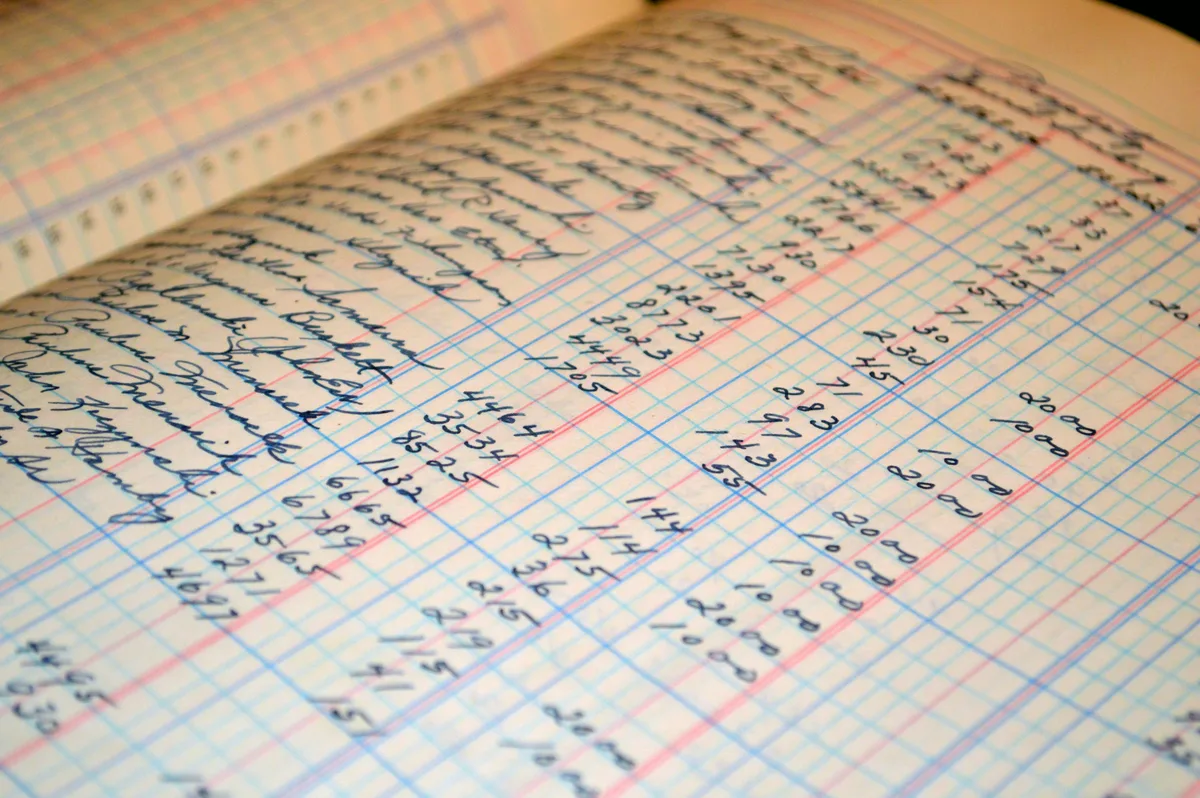
Could simpler bookkeeping be just a year-end away? For many sole proprietors in Switzerland, the answer is yes. If your annual turnover stays below CHF 500,000, you may be entitled to leave double-entry bookkeeping behind and switch to a straightforward income-expense accounting system – commonly known as the “milk bookkeeping” method.
The switch, however, is not just a flip of a switch. There is one critical step that trips up many business owners and can lead to double taxation if handled incorrectly. Here is what you need to know.
Who can switch to single-entry bookkeeping?
Under Art. 957 CO, sole proprietorships and general partnerships with annual turnover below CHF 500,000 are exempt from mandatory double-entry bookkeeping. Instead, they may use simple income-expense accounting.
The following entities cannot make the switch:
- Limited liability companies (GmbH) and stock corporations (AG) – always subject to double-entry bookkeeping
- Any business with annual turnover exceeding CHF 500,000
The switch should always take effect at the start of a new financial year – i.e., on 1 January.
What changes when you switch?
Double-entry bookkeeping records every transaction twice – once as a debit, once as a credit – and produces a full balance sheet and income statement. Single-entry bookkeeping works differently: it records only what actually flows in and out of your business account on a cash basis.
In practice, this means:
- No more balance sheet
- No income statement required
- No chart of accounts needed
- Just: Income – Expenses = Profit
Simpler – yes. But the transition itself requires careful handling.
Step 1: Close the previous year properly
Before switching, your final year under double-entry bookkeeping must be fully closed. This means:
- All transactions up to 31 December are recorded
- The annual balance sheet is completed
- All outstanding receivables (debtors) and payables (creditors) are documented
This closing balance sheet is not just a formality – it is the foundation for a tax-compliant transition.
Step 2: The biggest pitfall – handling outstanding receivables and payables correctly
This is where most businesses go wrong. Consider the following scenario:
You issued an invoice for CHF 3,000 in December. Under double-entry bookkeeping, this amount was already recorded as income and taxed in that year. The payment, however, arrives in January – now under your new single-entry system.
If you record this incoming payment as income again, the same amount is taxed twice. That is incorrect.
The solution: Record such payments at CHF 0, with a note such as “taxed as receivable in prior year.” This keeps your records transparent without triggering a second round of taxation.
The same logic applies in reverse for outstanding payables: expenses already recorded and deducted in December that are only paid in January must not appear as expenses again in the new system.
Step 3: From January, record only actual cash flows
From the first day of the new year, the rule is simple: record only what actually enters or leaves your business account. The logic of single-entry bookkeeping is straightforward:
Income – Expenses = Profit
This profit forms the basis for your income tax and AHV contributions. In most cases, that is all you need.
One thing remains constant: keep a receipt for every entry. Documentation is just as important in single-entry bookkeeping as in double-entry.
What are the benefits of switching?
The switch makes sense for any sole proprietor looking to cut administrative overhead:
- Less time spent: No complex reconciliations, no balance sheet, no income statement
- Less complexity: No chart of accounts, no offsetting entries, no statutory year-end close
- Better overview: A simple list of income and expenses gives you a clear picture of your finances at any time
- Lower costs: Fewer hours with your accountant, because the bookkeeping is more straightforward
Which software is right after switching?
Most accounting software is built around double-entry bookkeeping – with charts of accounts, balance sheets, and complex financial statements. After making the switch, this is simply more than a sole proprietor under CHF 500,000 needs.
That is exactly the gap Effizo was built to fill. Effizo is intentionally simple accounting software for Swiss sole proprietors – a digital milk bookkeeping system without unnecessary complexity.
With Effizo, you can:
- Record income and expenses without friction
- Upload and archive receipts digitally
- See your current profit at any time
- Export a clean summary for your tax return
No double-entry bookkeeping. No unnecessary complexity. Just what you really need.
Conclusion: Switch wisely – and start clean
Switching from double-entry to single-entry bookkeeping is a sensible move for many sole proprietors in Switzerland. It cuts down on administrative work significantly and makes day-to-day bookkeeping far more manageable.
The key is closing your final double-entry year cleanly and handling outstanding receivables and payables correctly at the point of transition. Get that right once, and you will benefit from leaner bookkeeping for years to come.
With Effizo, running simple accounting becomes almost effortless — all features at a fixed price. Also read our tips for organising your accounting and learn more about VAT accounting for sole proprietorships.