
The most common mistakes when starting out self-employed
An hourly rate too low, AHV too late, reminder fees without a basis, VAT checked at year end: ten early mistakes and what applies instead.
An hourly rate too low, AHV too late, reminder fees without a basis, VAT checked at year end: ten early mistakes and what applies instead.

Check the name before the logo, invoice before the AHV, the commercial register after a CHF 100,000 year: the order in which to set up a sole proprietorship – and why.

No law requires a sole proprietorship to hold a business account. It is still the most repeated piece of advice – here is what mixing the two actually costs.

The most common mistake at the start is carrying over your employee hourly wage. Here is how to work billable hours, AHV, holidays and downtime into the rate.

Minimum contribution, sliding scale, maximum rate: how to calculate your AHV contributions in Switzerland – and how much to set aside as you go.

How to match incoming payments to your books: CAMT.053 or PDF, partial payments, lump payments and VAT on payments received.

Payment terms, default, default interest and reminder fees: what actually applies in Switzerland and how to chase unpaid invoices properly.

How to give your accountant direct access to your accounting software – without file exchange, without extra per-user costs.

No accounting background, but you still need to keep your books? Here's how to approach accounting as a self-employed professional in Switzerland.

The term 'Milchbüchlein' comes up often when researching Swiss accounting. Here's what it means and how it applies to your sole proprietorship.

How to switch from double-entry to single-entry bookkeeping in Switzerland: eligibility, the critical pitfall of outstanding receivables, and practical steps for a clean transition.
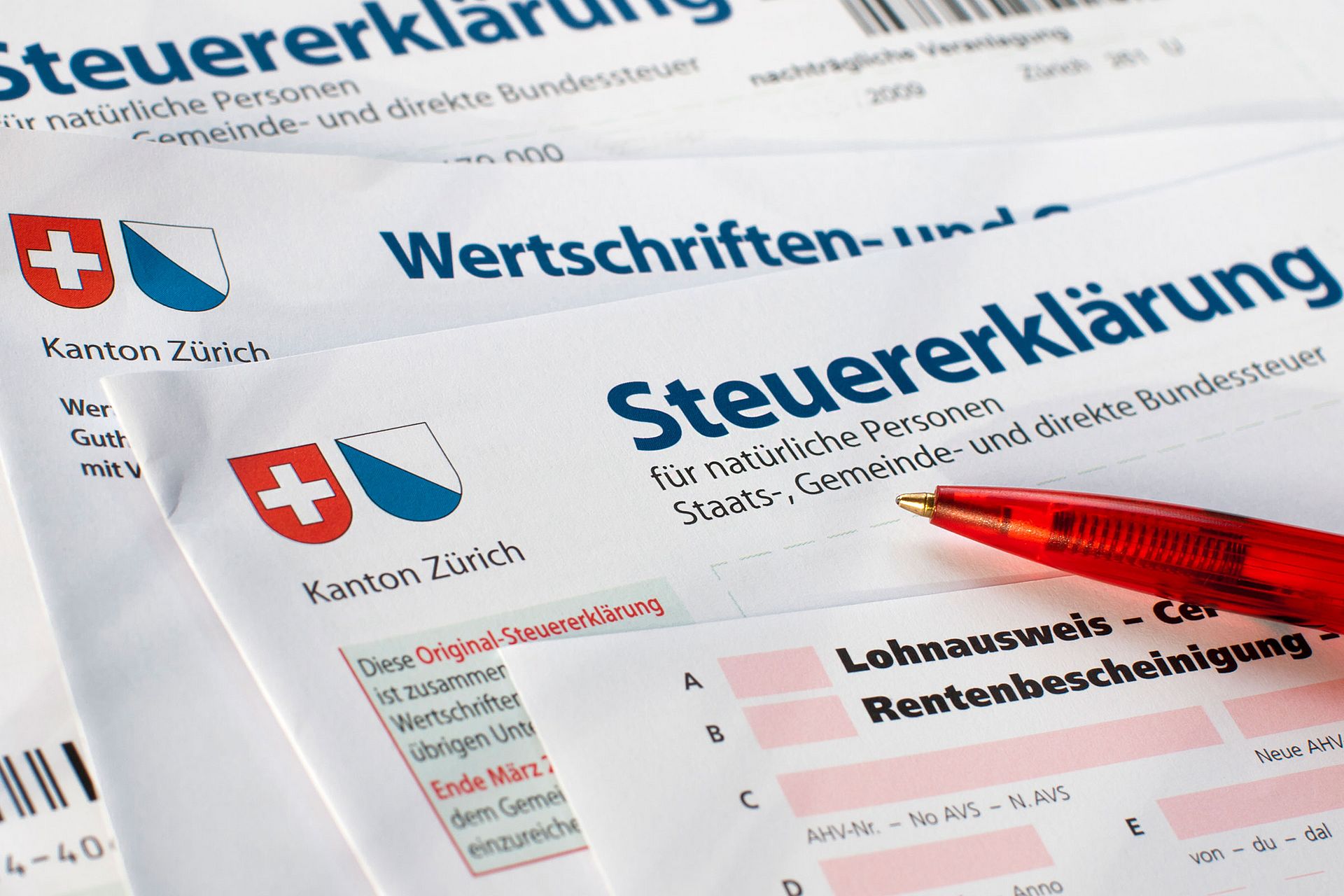
Tax return for sole proprietorships in Switzerland with turnover below CHF 500,000: how simple accounting works (cash basis accounting). Tips and software solutions for small business owners.

Learn how simple accounting keeps your finances clear and why it is ideal for sole proprietorships with low turnover.

Learn the basics of VAT accounting and how the net tax rate method can simplify your administrative work.

Optimise your accounting with practical tips on digitalisation, document management, and time management.